2017 Annual Meeting of the Séguin d’Amérique
During the 350th anyversary of Boucherville
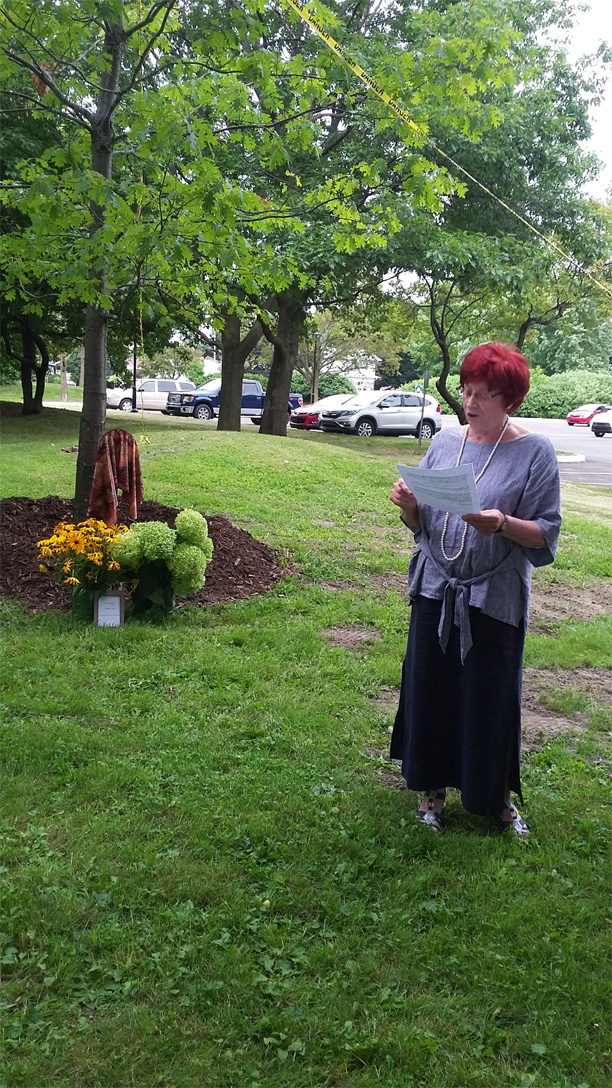
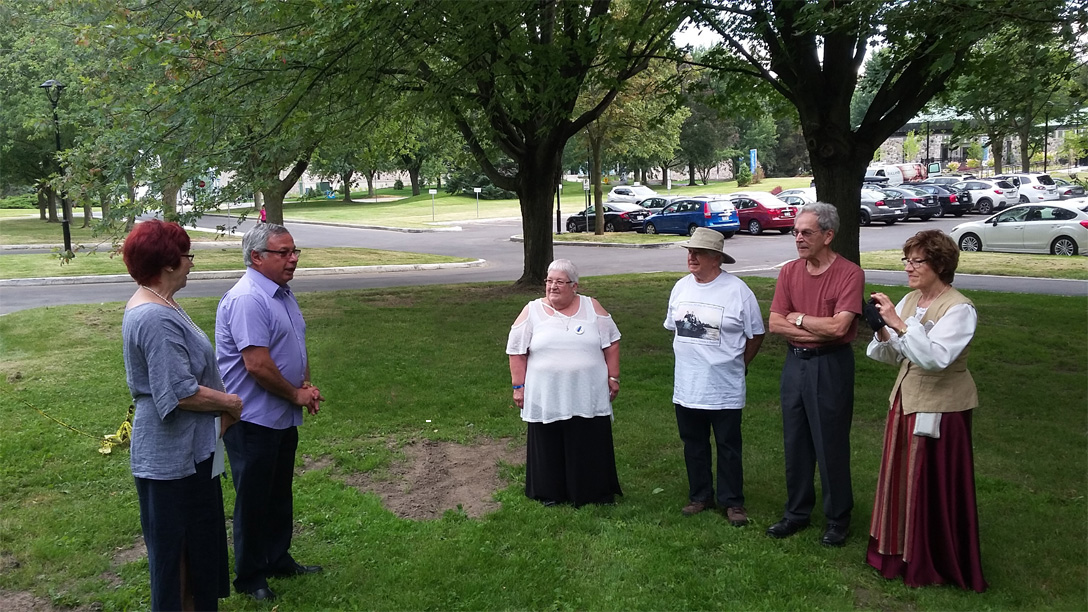
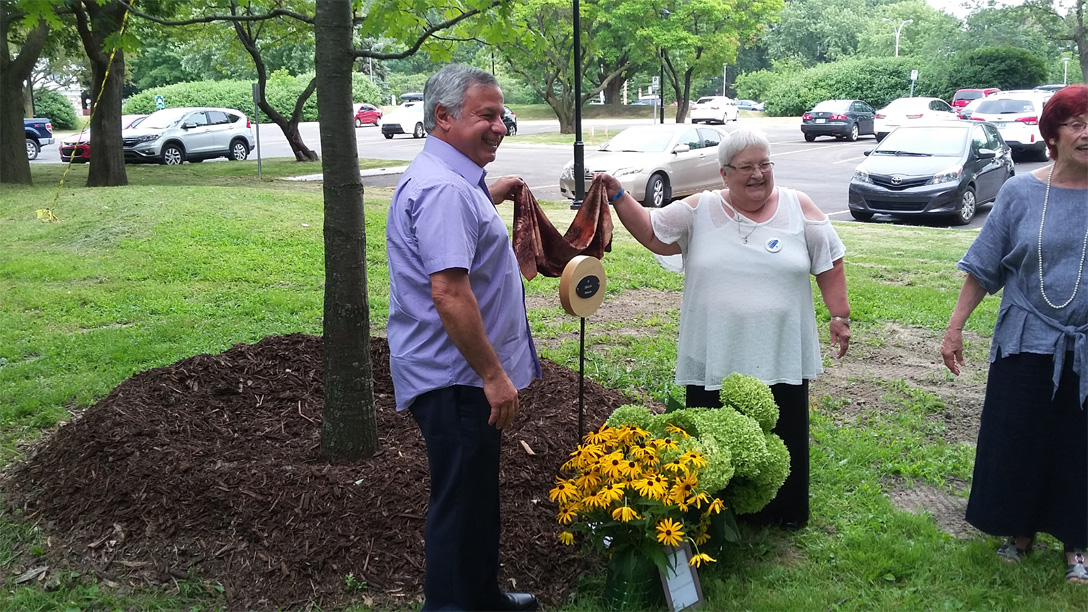
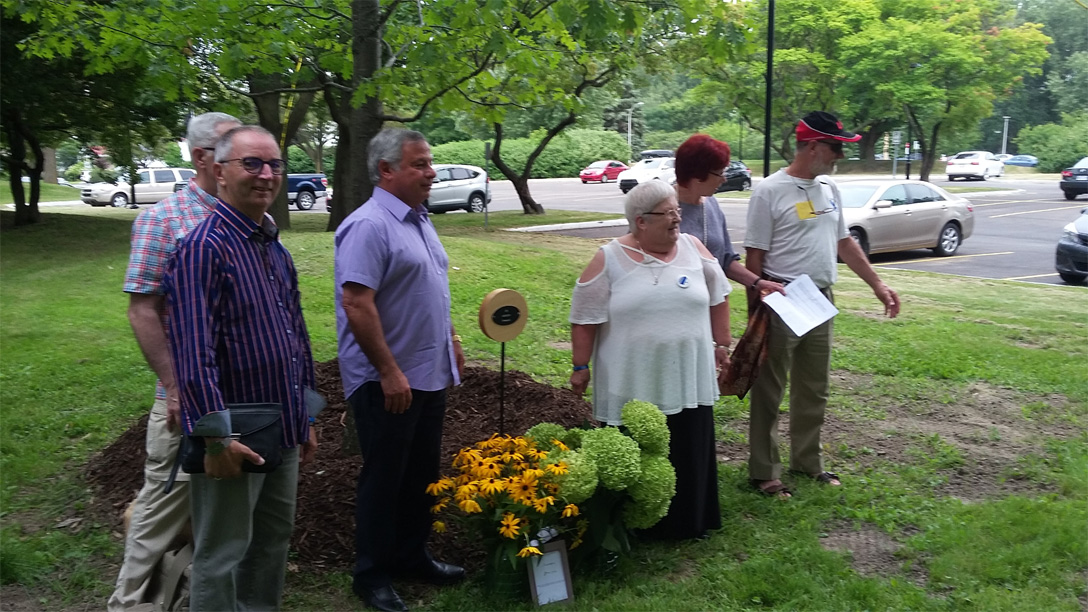
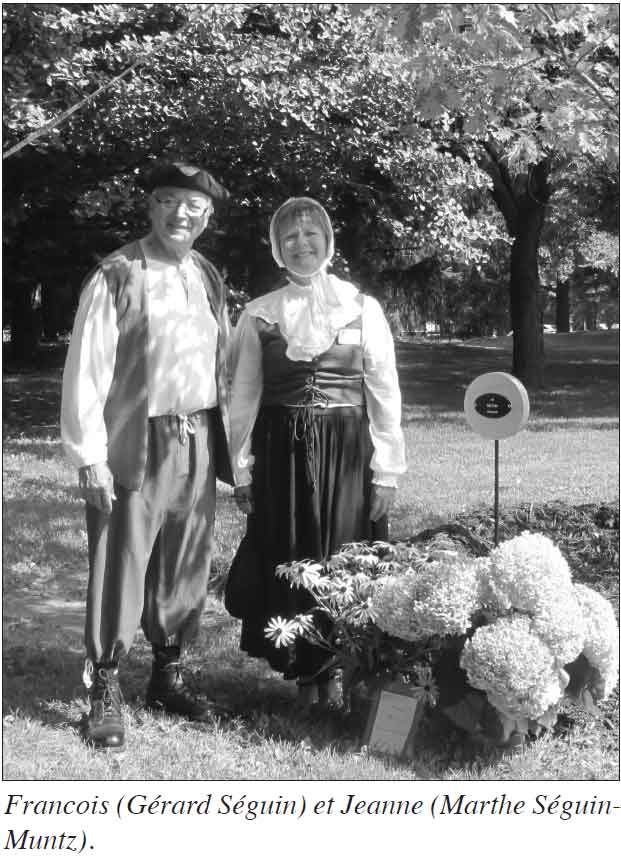
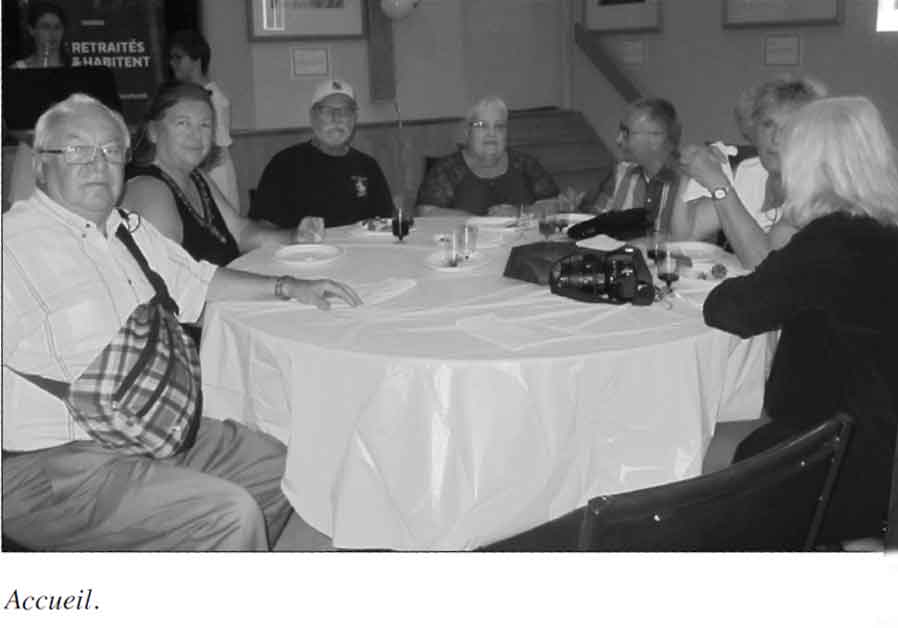
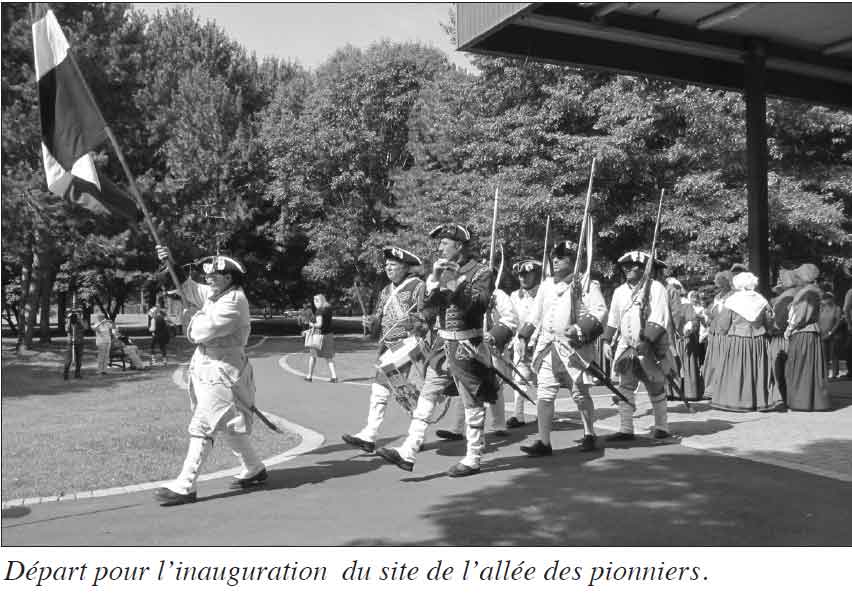
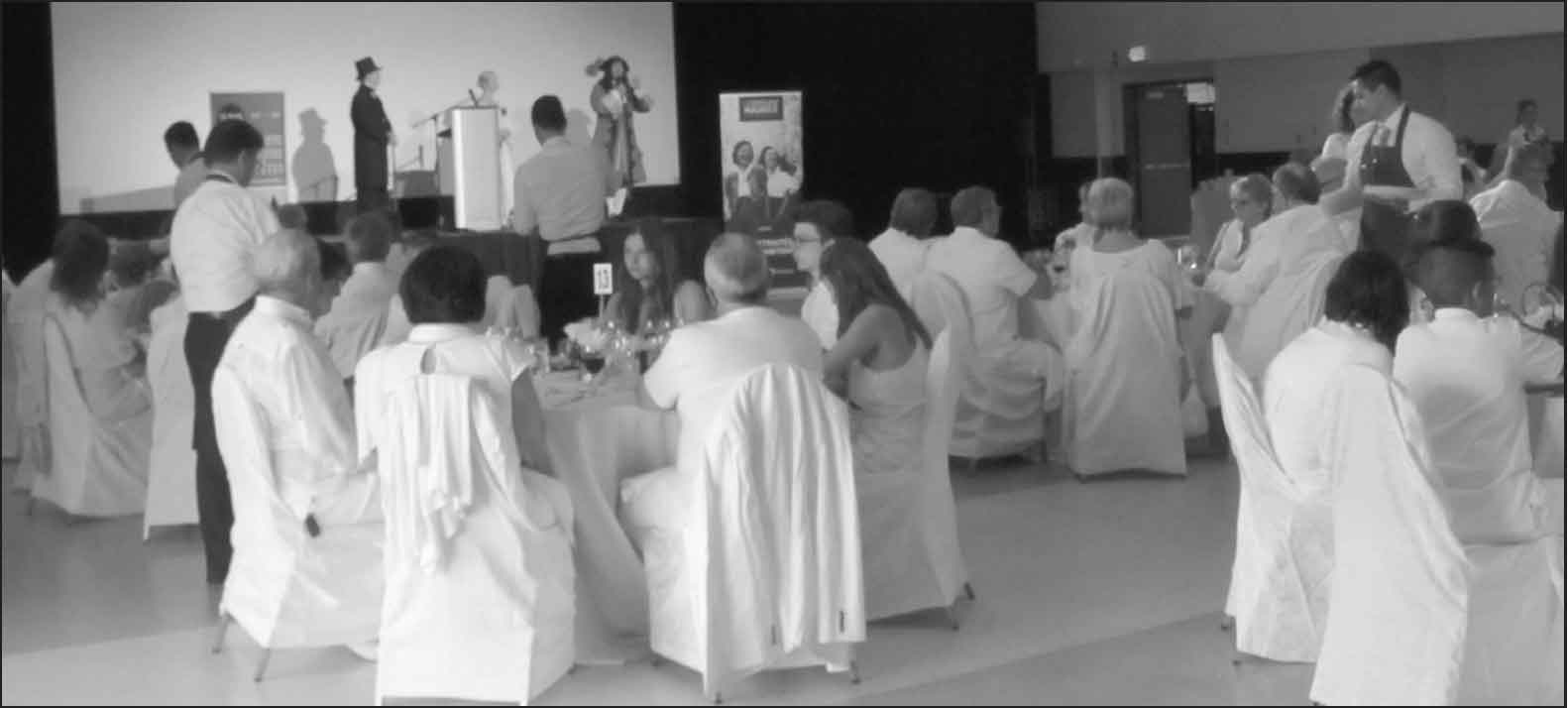
It is as part of the festivities of the 350th anniversary of the City of Boucherville that we had our annual meeting of 2017. Among the many activities organized by this beautiful city, August 10, 2017 was devoted to the descendants of Pierre Boucher and its concessionaires of 1673. We had guided tours of Vieux-Boucherville, the Ste-Famille church, the house where Hippolyte La Fontaine lived, and took part in the unveiling of the concessionaires’ aisle in the new Town Hall park and attended a concert by Ginette Reno in the evening. Among all of these activities, we had our general assembly.
First, we learned a bit of history on Boucherville and its first Ste-Famille church. Founded in 1667 by Pierre Boucher, Boucherville is one of the ten oldest cities in Québec. Nestled on the south shore of the river, the Vieux-Boucherville is considered an architectural heritage treasure in Quebec. Pierre Boucher acquired the Seigneury in 1667. He cleared and cultivated the land himself, proving that agriculture was viable in Nouvelle-France. He invited people from Trois-Rivières to come and settle there. Subsequently, he granted lands to brave people who came from France.
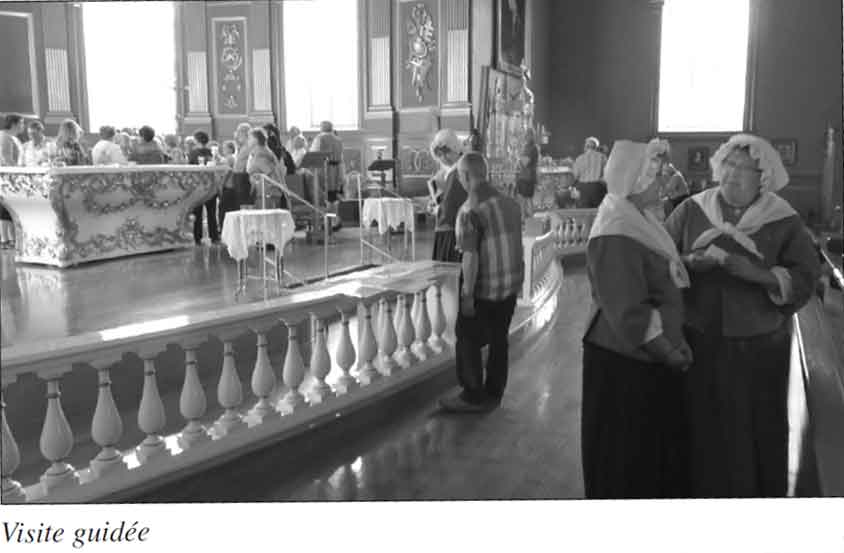
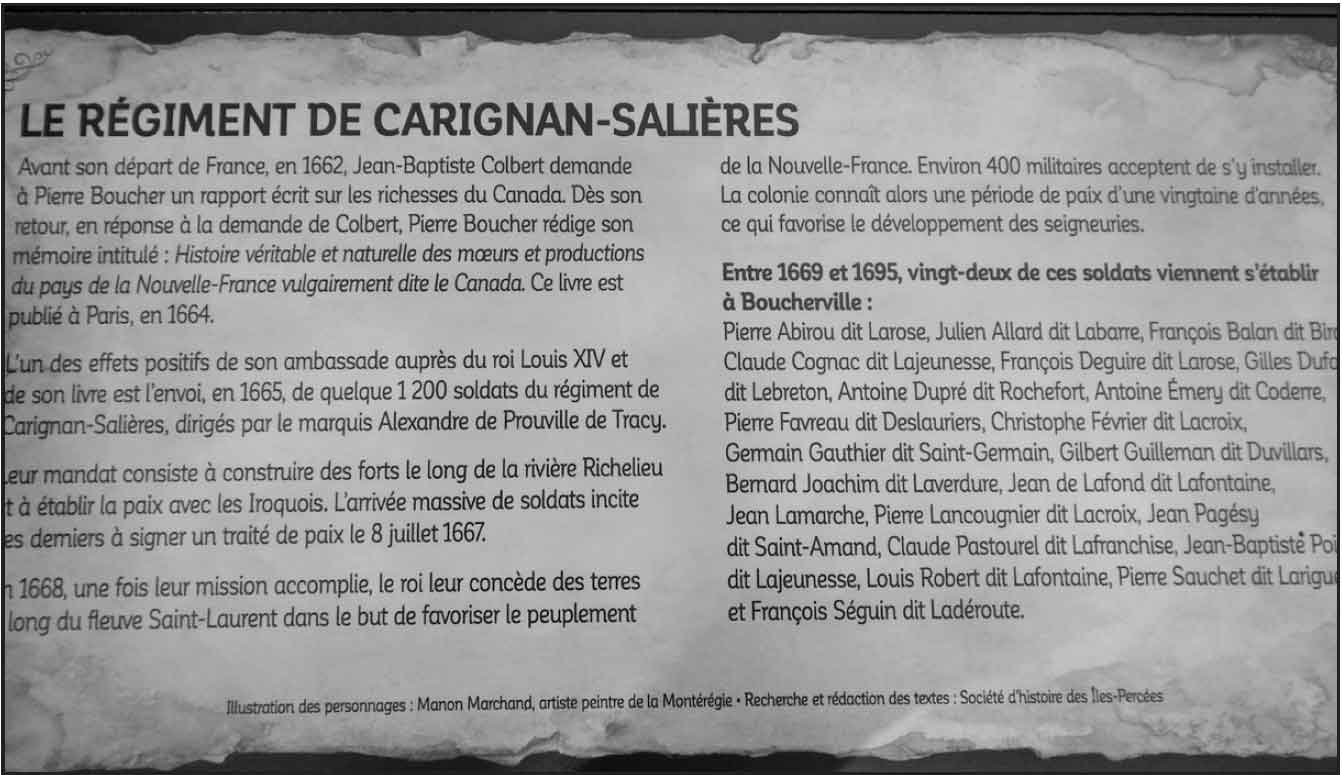
François Séguin said Ladéroute acquired lot 35 in 1673. There were 38 concessions on Pierre Boucher’s Seigneury. A chapel was erected in the hamlet of Pierre Boucher in 1670. On the same site, in lieu of the chapel, a stone church was built in 1712 and 1801. It was expanded and took the form of a Latin cross as it is presently. It served as a model for several churches in Québec up to the middle of the 19th century. In 1843, a fire blown by a strong north-western wind ravaged two-thirds of the hamlet. The fire had been caused by a spark emanating from a steamboat docked at the port (boat that went back and forth between Boucherville and Montréal). The Ste-Famille church sustained substantial damage. It was restored in 1879. It is classified as a historic monument since 1964. It was again restored from 2006 to 2016. The exterior of the church consists of field stones set in the mortar, which is typical of the 19th century, and its interior made of wood, being an abundant material at that time. The interior of the church is an incredible beauty by its paintings on the vault and walls, baptistery and altar with marble impressions on the wood.
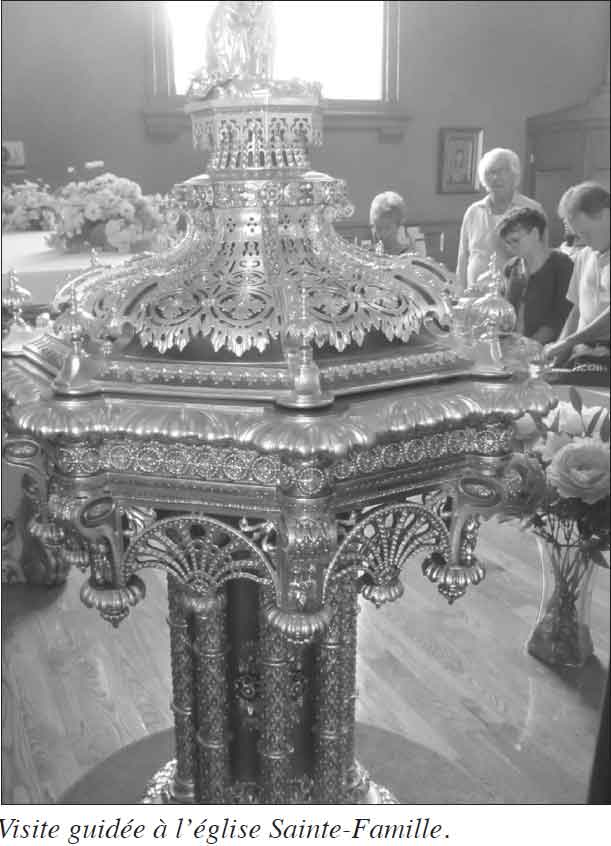
The baroque style tabernacle was created around 1745! It was saved from the great fire of 1843 by faithfuls who took it out on time. It appears massive, but it is made of wood, and can be disassembled in pieces. Fourteen stations of the crucifixion of Jesus are chromolithographies under glass by Gérard Séguin, printed in Paris in 1879. Other Séguin family members have done great work! Some parts of the organ date back to 1847. Today, the church is home to the organ built by Casavant and Brothers, inaugurated in 1996. Organ concerts regularly occur in this church.
We then visited a few streets of Vieux-Boucherville. Many homes date back to the 18th and 19th centuries. The guide spoke of architectures, stories related to these homes, the nobles street (Notre-Dame Street) where the physician, notary, priest, and boat captain lived. The captain was considered a noble because total confidence was given to him on the boat, by entrusting him with letters to give to a parent waiting at the Port of Montréal, or letting him give personal messages, such as asking him to tell a grandfather in Montréal that a new grandson was born.
There had been a house built on the current location of the church parking where Louis-Hippolyte La Fontaine had allegedly lived (1807-1864). The house was moved to the La Broquerie Park on a large trailer in 1964. In the afternoon, we went to visit that park. Near Louis-Hippolyte La Fontaine’s home you can find the statue of this illustrious man of the 19th century, who was a strong advocate of the French language. He was elected MP for Terrebonne in the House of Assembly of Lower Canada in 1830. He was a man of compromise and peace, important traits during the Rebellion of 1837. He is the co-founder, with Robert Baldwin, of the Responsible Government of United Canada. He became the Prime Minister of Canada-East in 1842. He delivers his first speech in Parliament in French, language which was prohibited by the Union Act. Several other MPs of Lower Canada followed his example, which resulted in the repeal of the section on the prohibition of French a few years later and after several pressures.


 EN
EN